

If you’re researching food business ideas 2026, you’re asking the right question at the right time.
2026 is shaping up to be one of the strongest years in decades to start a food business — especially a home-based one. Consumer demand, technology, and regulatory shifts are aligning in a way that heavily favors small, flexible food operators.
This guide breaks down the most realistic and profitable food business ideas for 2026, backed by data, market trends, and what consumers are actually buying.
Why Food Business Ideas in 2026 Are Especially Attractive
The global food and beverage market continues to grow at scale.
According to market forecasts, the industry was valued at approximately $7.04 trillion in 2025 and is expected to reach about $7.41 trillion in 2026, with projections nearing $9.3 trillion by 2030.
Growth alone isn’t the story.
The opportunity lies in how people are choosing to spend their food dollars.
Consumers are increasingly skeptical of ultra-processed food, algorithm-driven brands, and mass-produced “healthy” products. They want food that feels human again.
According to Canadian Grocer’s 2026 Food Trends Report, shoppers are actively choosing authenticity, fewer ingredients, and traditional preparation methods over artificial perfection.
This shift heavily favors home-based food business ideas in 2026.
Key Food and Consumer Trends to Watch in 2026
If you want your idea to survive past the first year, you need to understand the forces shaping food business ideas in 2026.
These trends explain why certain home-based food businesses are thriving — and why others are quietly fading.
1. Consumers Are Actively Rejecting Ultra-Processed Food
In 2026, consumers aren’t just “interested” in cleaner food — they’re deliberately avoiding ultra-processed options.
Multiple industry reports show declining demand for heavily engineered products, especially those marketed as healthy but loaded with additives, stabilizers, and artificial sweeteners.
According to Canadian Grocer’s 2026 Food Trends Report, shoppers are gravitating toward foods with fewer ingredients, visible preparation methods, and a clear human story behind them.
This trend strongly favors home-based food business ideas for 2026 built around:
- Short ingredient lists
- Traditional techniques
- Transparent sourcing
2. Convenience Is Being Redefined
Convenience in 2026 no longer means “fastest and cheapest.”
Consumers want food that saves time without sacrificing quality or health. This is why frozen meals, shelf-stable soups, sauces, and ready-to-eat components are outperforming many restaurant concepts.
Industry data shows continued growth in frozen and prepared foods that replicate restaurant-quality experiences at home — especially when paired with air fryers and simple reheating methods.
For entrepreneurs, this supports food business ideas centered on:
- Freezer-friendly meals
- Meal components instead of full meals
- Heat-and-eat products made from real ingredients
3. Functional Foods Are Shifting From Hype to Balance
After years of extreme protein marketing, consumers are recalibrating.
2026 food trend forecasts highlight rising interest in fiber, gut health, and balanced nutrition — not megadoses of a single nutrient.
Major retailers and food brands are emphasizing fiber-forward, prebiotic, and naturally functional ingredients rather than aggressive supplementation.
This creates opportunity for home-based businesses producing:
- Fermented vegetables and beverages
- High-fiber baked goods
- Broths, soups, and slow-cooked foods
- Whole-food snacks with real satiety
4. Trust Is Becoming a Purchasing Factor
Consumers are increasingly skeptical of large food brands, influencer-backed products, and “viral” food trends.
In contrast, small food businesses benefit from something algorithms can’t manufacture: trust.
Buyers are more likely to support food businesses where they can:
- Identify the person making the product
- Understand the ingredients
- Ask questions directly
This is one of the most underappreciated advantages behind food business ideas in 2026 that start at home.
5. AI Is Quietly Reshaping Small Food Businesses
AI isn’t replacing food entrepreneurs — it’s removing friction.
In 2026, small food business owners are using AI tools to:
- Analyze food costs and pricing
- Create consistent marketing content
- Improve local SEO visibility
- Respond to customers more efficiently
The result is leaner operations and higher margins — especially for home-based businesses with limited time and resources.
This trend doesn’t favor large corporations.
It favors focused operators.
High-Potential Home-Based Food Business Ideas for 2026
1. Fermented & Gut-Health Foods
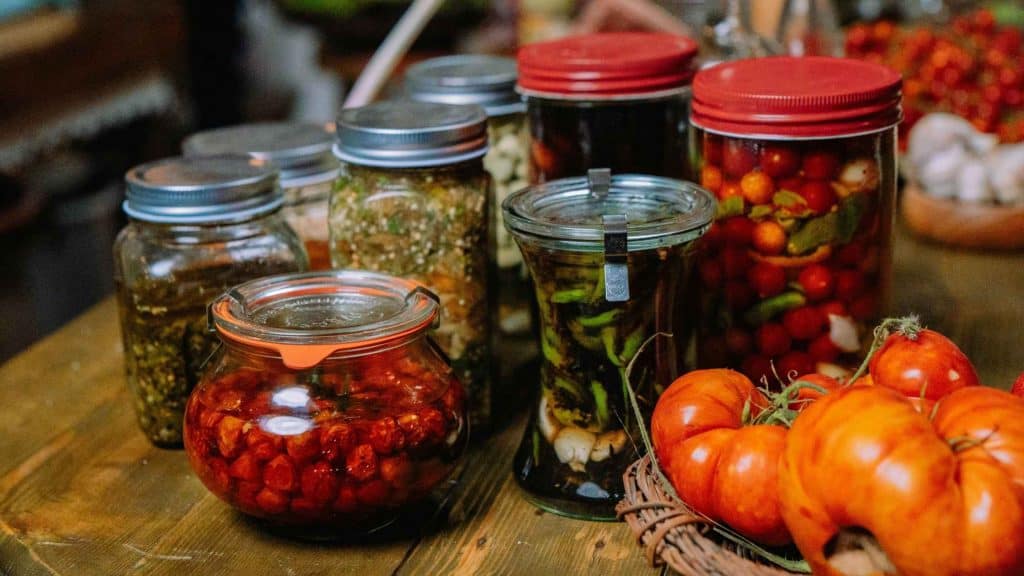
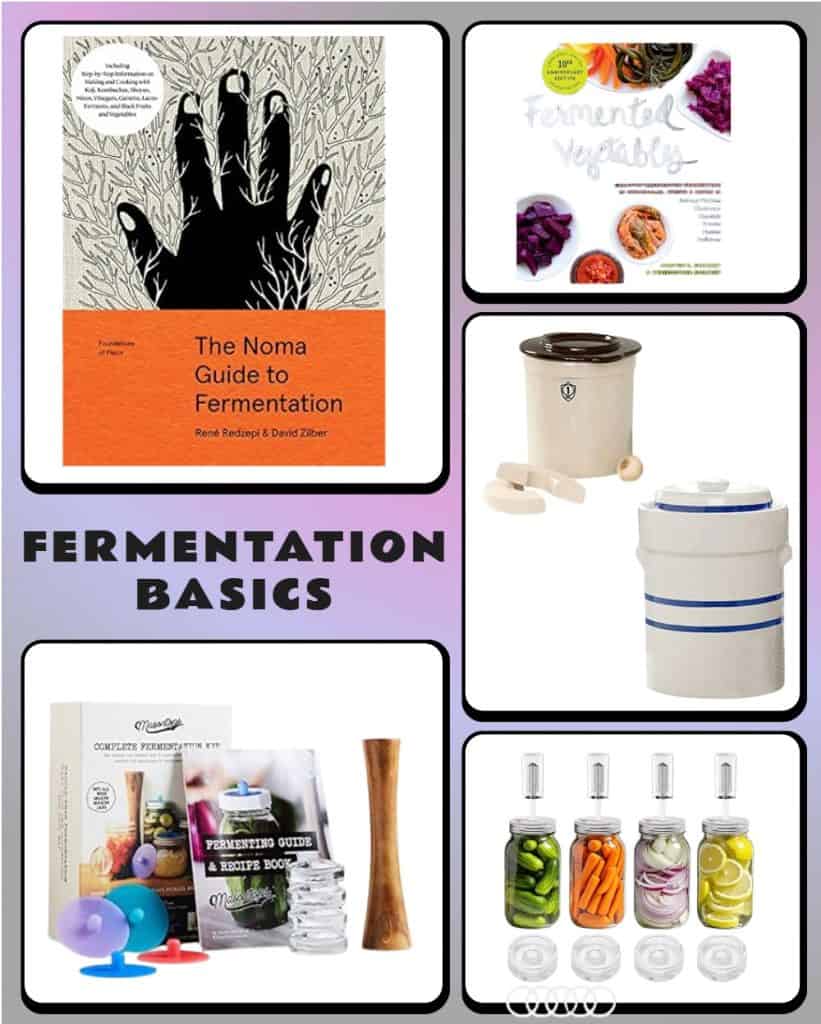
Fermented foods remain one of the strongest food business ideas for 2026.
They benefit from:
- Low ingredient costs
- High perceived value
- Strong alignment with gut-health trends
Examples include kimchi, sauerkraut, fermented vegetables, and drinkable ferments (where legally allowed).

2. Cottage Food Baking (Differentiated)
Basic baked goods are crowded. Differentiated baking businesses are not.
Winning cottage food business ideas in 2026 focus on:
- Lower-sugar or higher-fiber formulations
- Cultural or regional specialties
- Limited-run or seasonal offerings
ProTip – Your base income could be B2B (Business To Business). Sign contracts with local businesses for weekly delivery of your baked goods, either for them to sell or as treats in their waiting room. It’s also great (and free) marketing to consumers.
3. Niche Meal Prep Businesses
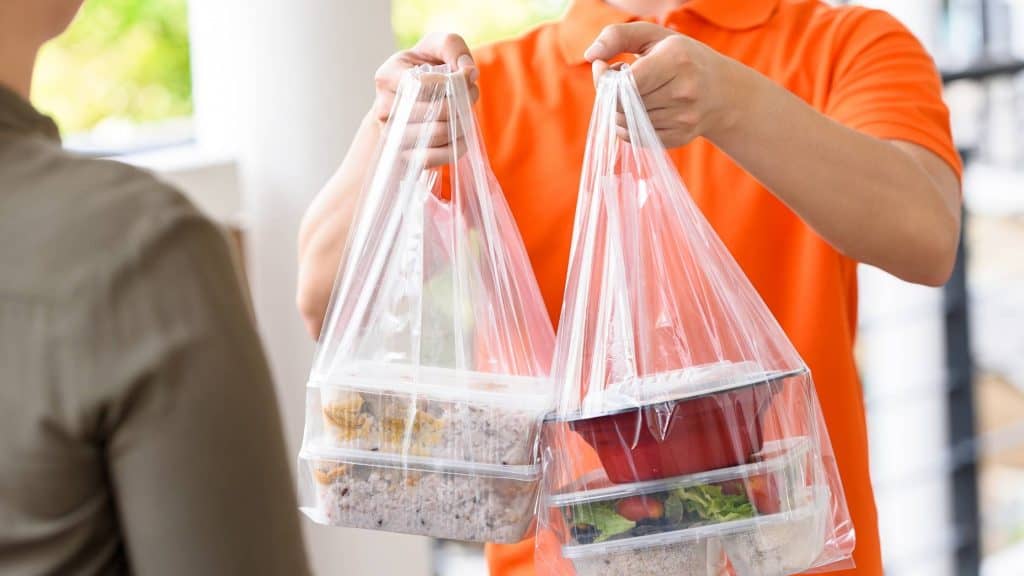
General meal prep is saturated. Niche meal prep is growing.
Strong home-based food business ideas for 2026 target specific groups such as:
- Busy families
- Older adults focused on protein and mobility
- Fitness-oriented clients
- Medical or dietary-specific needs
You probably already know that Magic Meals Home Delivery is our family’s primary source of income, and it’s booming.
4. Shelf-Stable Sauces, Rubs, and Condiments
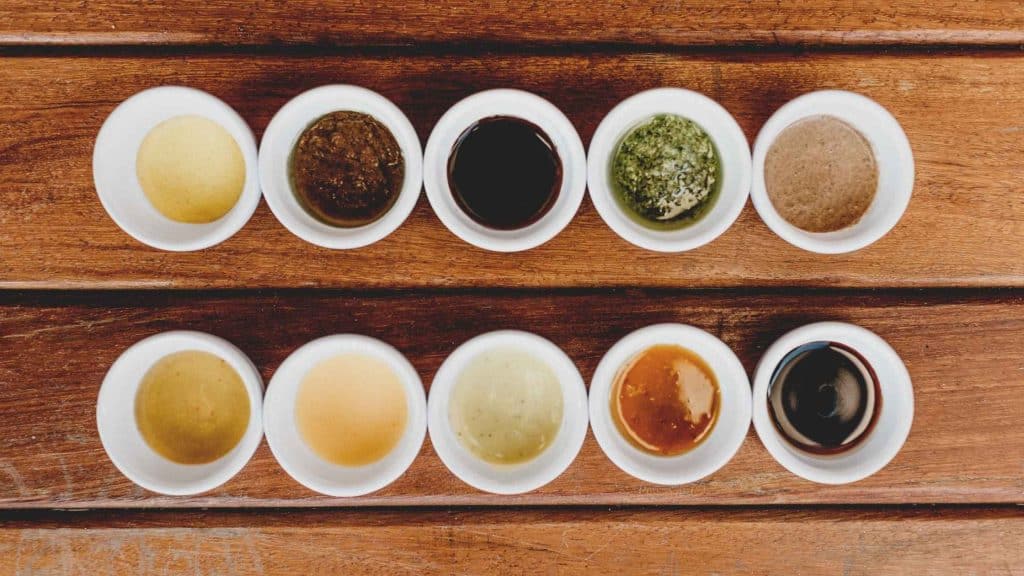
Sauces are among the most scalable food business ideas in 2026.
They offer:
- Longer shelf life
- Repeat purchase behavior
- Easier shipping and distribution
5. Functional, Whole-Food Snacks
Snack products continue to outperform many traditional packaged foods.
Consumers are gravitating toward snacks that satisfy hunger without excessive sugar or additives.
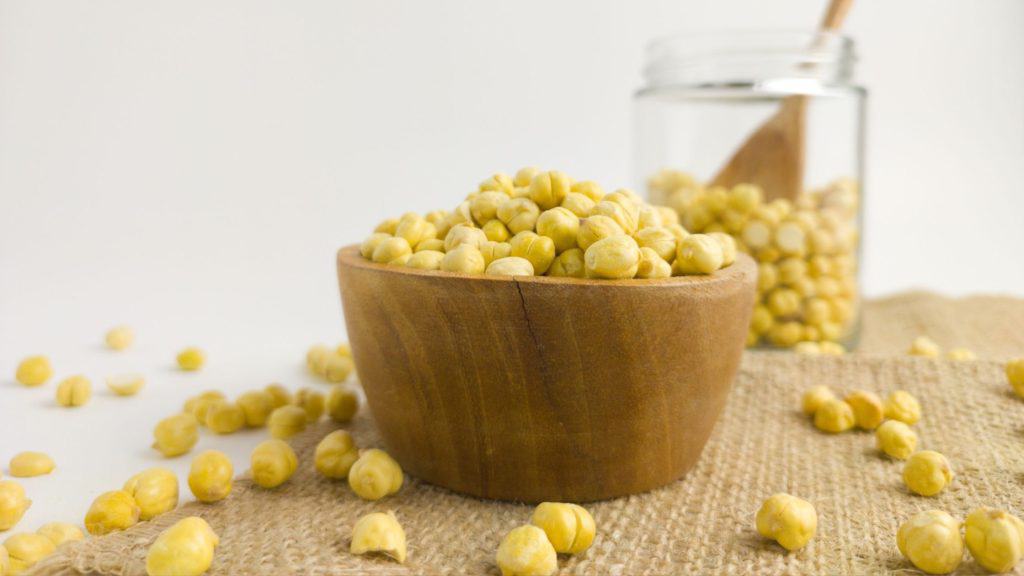
Examples include seed crackers, roasted legumes, date-based snacks, and protein-plus-fiber combinations.
Legal Reality for Food Business Ideas in 2026
Before launching any food business idea in 2026, it’s critical to review your state’s cottage food laws.
Many states expanded cottage food allowances in recent years, but regulations still vary by location.
Always verify:
- Allowed food categories
- Labeling requirements
- Sales channels and revenue limits
The Real Advantage Behind Food Business Ideas in 2026
The most successful food businesses in 2026 won’t be the biggest.
They’ll be the most trusted.
Consumers want food made by someone — not something.
If you can combine:
- Simple, real food
- A clearly defined niche
- Smart use of modern tools
You’re not chasing a trend.
You’re building a business that fits the moment.





0 Comments