
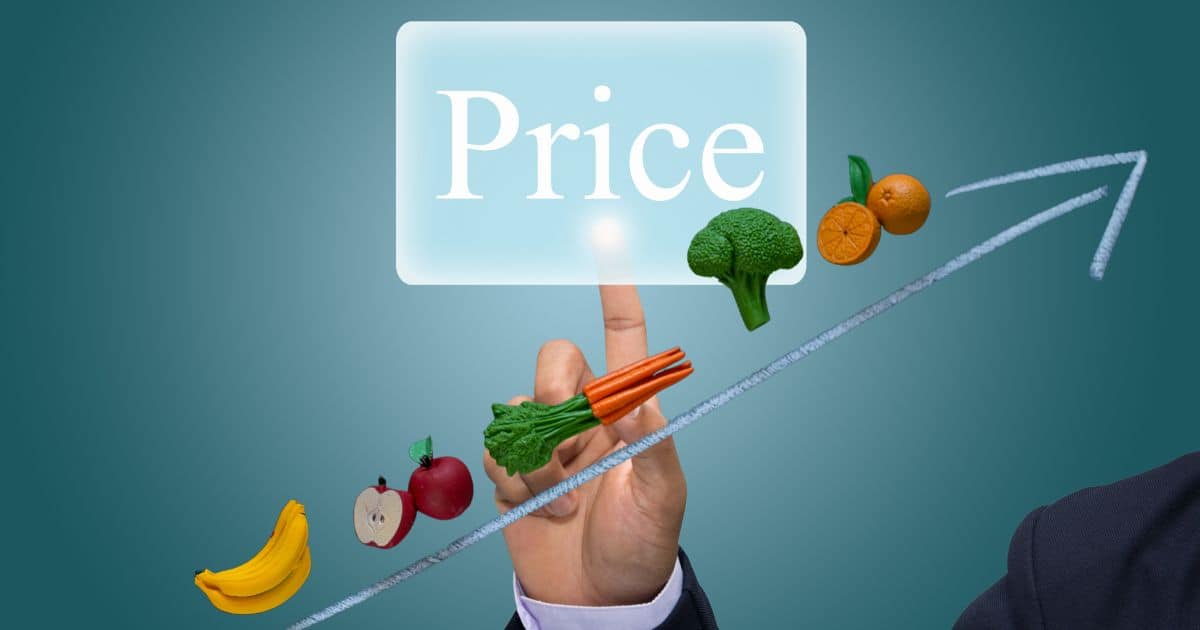
Raising menu prices is one of the toughest decisions a food business owner can make. With rising food costs, labor expenses, and inflation, price increases are often necessary to maintain profitability. However, if handled incorrectly, raising prices can drive customers away, leading to a decline in sales and reputation damage.
The key is to adjust pricing strategically, ensuring that your customers continue to see value in your food and service. This guide applies to various food businesses, including:
- Restaurants
- Food Trucks
- Bakeries
- Cafés and Coffee Shops
- Catering Services
- Meal Delivery Services
- Food Manufacturing
- Grocery Stores and Specialty Food Shops
- Farmers Market Vendors
- Personal Chefs
- Cooking Class Providers
In this guide, we’ll cover when to raise prices, how to determine which products or menu items should increase, and how to communicate changes effectively to keep customers happy.
When Should You Raise Your Prices?
Not every price increase is justified, and customers may be more understanding if they perceive a valid reason for the adjustment. Here are some common signs it’s time to raise prices:
- Rising ingredient costs – If the cost of meat, dairy, or produce has increased significantly, then your recipe cost is rising and your margins are shrinking.
- Higher labor and operational expenses – Wage increases, rent hikes, and delivery fees can eat into profits.
- Industry-wide inflation – If other food businesses are adjusting prices due to economic factors, it may be time for you to do the same.
- You’re underpricing your products – If competitors charge significantly more for similar items, you may be leaving money on the table.
How often should you adjust prices? Many food businesses make small increases once or twice a year to stay ahead of inflation, rather than implementing a large, noticeable increase all at once. In our prepared meal delivery business we change prices to a few items at a time even more often. Let me tell you more about how we got to that price-raising strategy.
My Personal Experience With Raising Prices
My wife and I have run a Meal Delivery Service, Magic Meals Home Delivery, for over 20 years (Learn more). Early on, we kept our menu pricing simple by having just three price tiers. Every meal we offered had to fit into one of those three price points. Because changing prices meant adjusting a third of our menu at once, it always felt too disruptive to our long-term customer base. As a result, we didn’t adjust our pricing for years, and our profits suffered.
During a period of high inflation, we knew we had to make changes. We explained to our customers that we had to raise prices on certain items to maintain the same high-quality meals they had come to expect. At the same time, we moved away from rigid price tiers and instead allowed for more flexible pricing across different menu items.
Now, instead of making massive pricing changes at once, we increase prices on a few items every few months. This approach is less jarring for customers, and it’s allowed us to keep up with rising costs while maintaining strong customer relationships. Regular, small price adjustments are far easier for customers to accept than large, sudden changes.
How to Decide Which Prices to Raise
Not all products or menu items should be affected equally. Some have higher ingredient volatility than others, while others offer better margins that can absorb cost increases. Here’s how to approach your pricing strategy:
1. Start with high-cost, low-margin items
If ingredient costs are increasing for items like steak, seafood, dairy, and imported goods, those should be the first to be adjusted.
2. Adjust high-demand, high-margin products
Your best-selling products are where small increases will have the biggest impact on your bottom line. Customers are more likely to accept a slight price hike on a favorite item than a drastic increase on everything.
3. Consider smaller, frequent price adjustments
Instead of increasing prices by 10% all at once, raise them in 3-5% increments over time. This approach is less noticeable and easier for customers to accept.
How to Communicate Price Increases to Customers
How you present a price change is just as important as the increase itself. Customers appreciate transparency, but they also want to feel that they’re still getting great value.
1. Should You Announce the Price Increase?
In most cases, a formal announcement isn’t necessary—subtle changes to your pricing work best. However, if the increase is significant, consider a message like this:
“To continue providing you with the best quality ingredients and service, we’ve made some slight adjustments to our pricing. We appreciate your understanding and ongoing support!”
2. Train Staff on How to Address Price Concerns
Customers may ask why prices have gone up. Train your team to emphasize value, quality, and service rather than simply blaming inflation.
- “We’ve upgraded our ingredients to ensure better quality.”
- “We’re committed to fair wages for our team, and this helps support them.”
- “We’re keeping portions generous while maintaining the best experience for our guests.”
3. Update Your Menu or Product Listings Thoughtfully
- Remove dollar signs ($) from prices to reduce sticker shock.
- Adjust menu or product layouts so price increases aren’t immediately noticeable.
- Use bundled meals, product combos, or prix fixe options to offer better perceived value.
The Psychology of Pricing: How to Reduce Sticker Shock
Customers react emotionally to price changes, but smart menu and pricing design can help ease concerns. Here’s how:
- Price anchoring – Position high-margin items next to even higher-priced options to make them look more reasonable.
- Descriptive product or menu wording – A “Handcrafted Sourdough Loaf” justifies a higher price more than simply listing “Bread.”
- Keep popular items accessible – If your most-loved item becomes too expensive, it may alienate loyal customers.
How to Keep Customers Happy While Increasing Prices
Beyond pricing psychology, you can offset customer concerns by adding value in creative ways:
- Improve product presentation – Customers notice packaging, plating, garnish, and portion appearance.
- Launch a loyalty program – Offer discounts or exclusive deals to regular customers.
- Enhance customer experience – If guests feel service, product quality, and branding have improved, they’ll accept price increases more easily.
Let’s Put It All on the Plate
Raising prices in a food business is unavoidable, but doing it strategically ensures customer retention and profitability. The key takeaways:
✔ Raise prices gradually rather than making drastic increases. ✔ Justify changes with quality improvements and better service. ✔ Use smart menu and product pricing strategies to reduce sticker shock. ✔ Keep customers engaged with loyalty programs and promotions.
According to the National Restaurant Association, wholesale food prices increased 7% in 2024, with growth accelerating in the second half of the year. This trend highlights why regular pricing adjustments are necessary for food businesses to stay profitable (source).
Want more expert pricing strategies? Sign up for the Profit Playbook to get exclusive tips on boosting food business profits!











0 Comments