
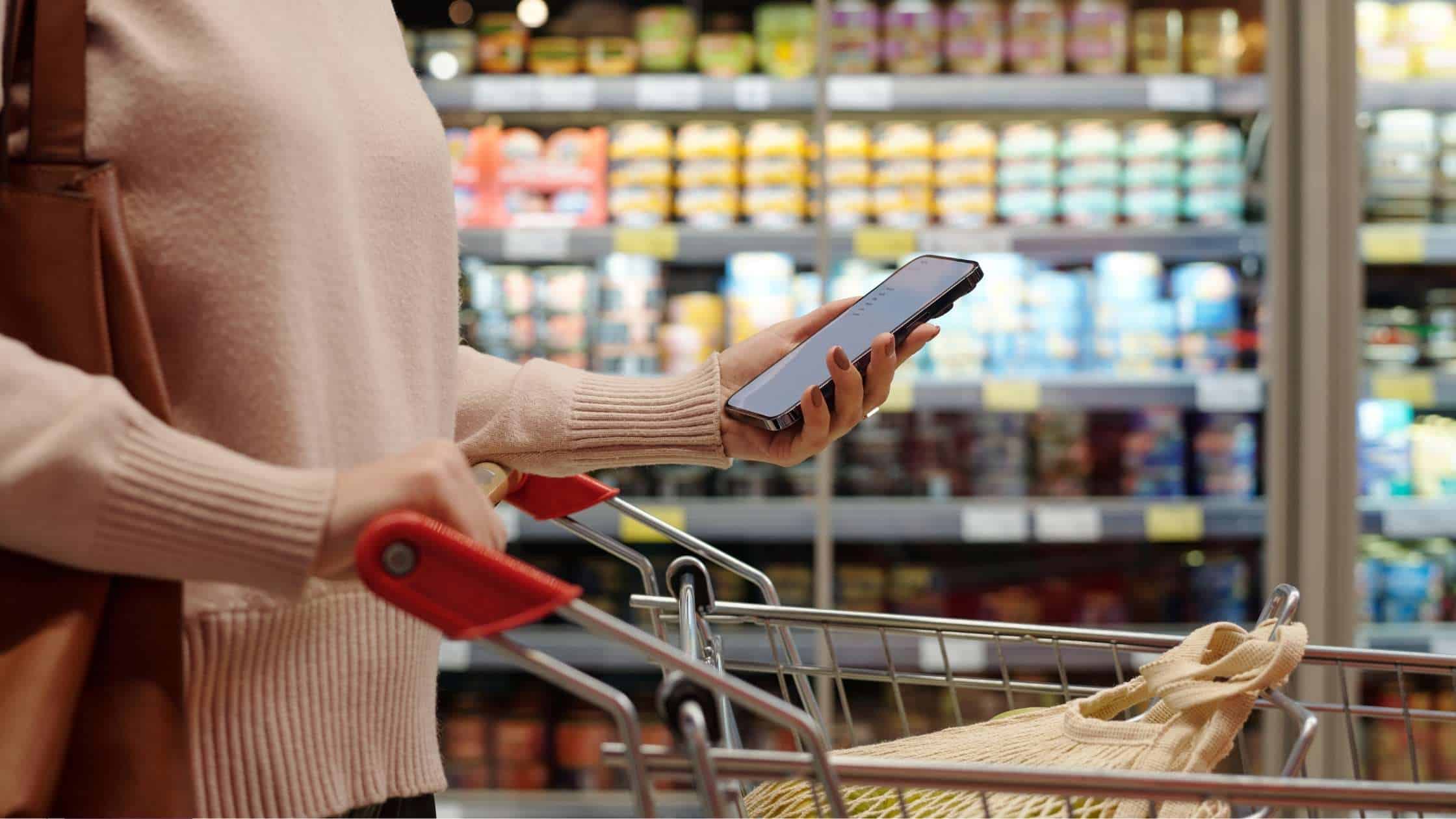
If you’re researching how to start a personal grocery shopper business, you’re probably wondering:
Is this still viable now that grocery stores deliver?
Instacart delivers.
Walmart+ delivers.
Kroger delivers.
Even small-town grocery stores offer curbside pickup.
So does starting a personal grocery shopping service business still make sense?
Yes — but only if you understand where the real opportunity is.
Delivery apps are transactional.
A professional grocery shopper business is relational.
And that difference is your advantage.
What Is a Personal Grocery Shopper Business?
A personal grocery shopper business provides recurring grocery shopping services for individual households.
Unlike grocery store delivery or gig apps, a professional grocery shopper:
- Works with the same clients consistently
- Learns brand and quality preferences
- Shops multiple stores if needed
- Communicates in real time
- May deliver groceries inside the home
- Often puts groceries away and manages pantry inventory
If you need a deeper explanation, see our full breakdown here:
👉 What Is a Personal Grocery Shopper?
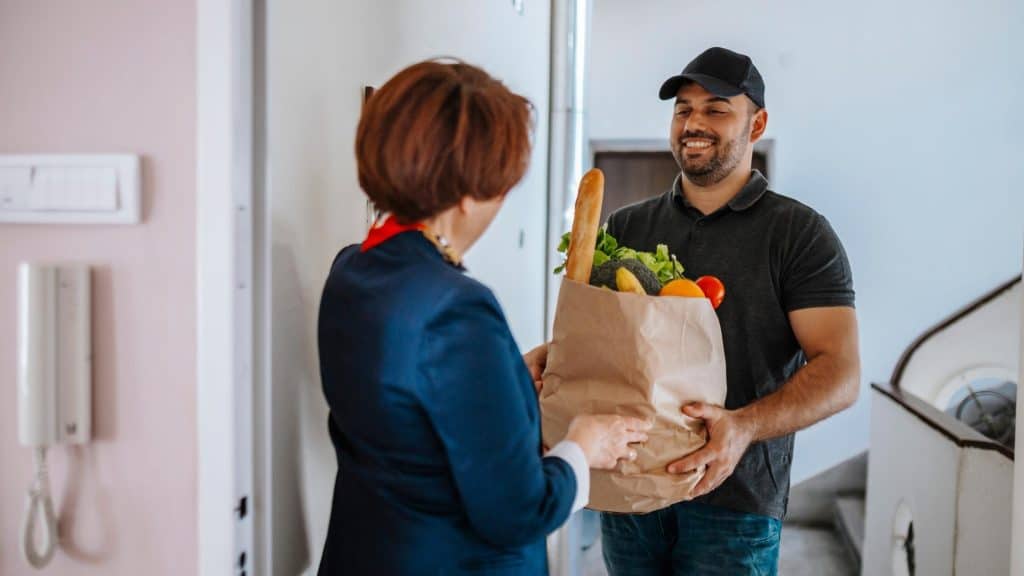
Can You Start a Grocery Shopping Service in 2026?
Yes — but not by competing on speed or price.
You cannot beat grocery stores at logistics.
You can beat them at:
- Trust
- Consistency
- Attention to detail
- In-home service
- Relationship memory
According to the SBE Council, Fulltime Self-Employment Achieved it’s Highest Level on Record in 2025 and I predict self-employment is going to keep growing.
Many customers don’t want a random shopper each week.
They want the same person.
They want accountability.
They want someone who knows how ripe their avocados should be.
That’s your niche.
Step 1: Validate Demand Before Building Anything
Before registering an LLC or building a website, validate.
This follows the lean startup approach we recommend across FoodBusinessPros.
Your goal:
Get 3–5 paying households first.
How to validate quickly:
- Offer service to neighbors or friends
- Post in local Facebook and Nextdoor groups
- Reach out to senior communities
- Contact daycare centers or busy professional networks
Charge a real fee, even discounted.
If someone won’t pay $25–$40 for convenience, they are not your target client.
Step 2: Choose Your Niche (Critical for SEO & Profitability)
A generic grocery shopping service struggles.
A focused personal grocery shopper business thrives.
Profitable niche examples:
- Seniors who need groceries put away
- Dual-income families with no time
- Fitness-focused households
- Special diet clients (diabetic, keto, gluten-free)
- Concierge-style premium clients
With the U.S. population aged 65 and older growing significantly according to Census data, demand for in-home convenience services is increasing.
The more specific you are, the easier marketing becomes.
Step 3: Set Up the Business Properly
Starting a grocery shopping service business requires basic protection:
- Sole Proprietorship or LLC
- Local business license
- General liability insurance
- Commercial auto coverage
- Written service agreement
According to the U.S. Small Business Administration, registering your business and understanding local licensing requirements is one of the first critical steps when launching a service-based business.
If you will:
- Enter homes
- Store access codes
- Deliver while clients are not home
You must protect yourself contractually.
Trust-based businesses require structure.
Step 4: Build a Lean Personal Grocery Shopping Business Plan
You do not need a 30-page document.
You need simple math.
Example:
Average weekly shop fee: $35
Monthly revenue per client: $140
Goal: $3,000/month income
You need approximately 22 recurring clients.
That’s it.
Not 500.
Not viral growth.
Not a delivery fleet.
Just consistency.
For a simplified framework, see our Lean Business Plan Template.
Step 5: Pricing Your Personal Grocery Shopper Business
Common pricing models:
Flat Fee Per Trip:
$25–$50 per shop
Hourly:
$25–$40/hour
Percentage of Bill:
10–15% of grocery total
Avoid underpricing to compete with grocery store delivery.
You are offering premium personal service.
Premium service requires premium pricing.
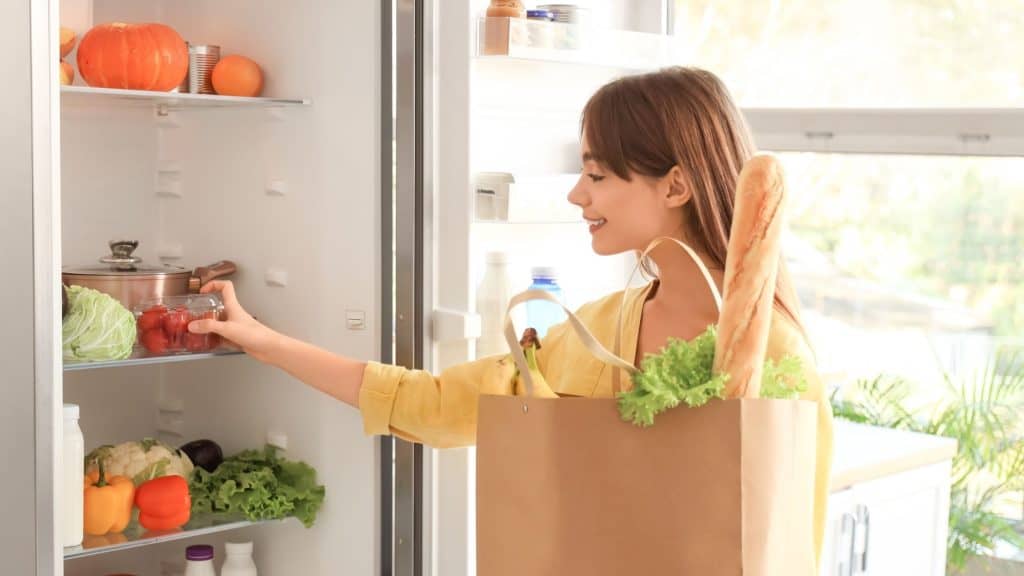
Why Grocery Store Delivery Doesn’t Replace You
Let’s address this clearly for search intent:
Grocery Store Delivery:
- Random employee
- Limited store selection
- Doorstep drop-off
- Automated substitutions
- No pantry management
Personal Grocery Shopper Business:
- Same shopper weekly
- Multi-store flexibility
- In-home delivery
- Real-time communication
- Groceries put away properly
- Relationship memory
This comparison is critical for conversion.
Step 6: Getting Your First 10 Clients
Organic growth works best.
Start with:
- Friends and neighbors
- Local Facebook groups
- Nextdoor
- Flyers at gyms or daycare centers
- Senior community partnerships
Offer:
- First shop free (service fee waived)
- Referral bonuses
- Introductory bundle pricing
Then immediately request reviews.
Google reviews are powerful for local SEO.
P.S. We have a whole article about marketing a personal grocery shopper business.
Step 7: Build Recurring Loyalty
This business model thrives on repeat clients.
One weekly client = ~$1,600/year.
Retention > acquisition.
Ways to increase loyalty:
- Same delivery time each week
- Personal thank-you notes
- Holiday appreciation gifts
- Monthly pantry refresh
- Consistent communication
Consistency builds defensibility.
Should You Scale This Business?
This guide focuses on a lean model.
Stay small.
Stay profitable.
Stay controlled.
A 20–25 client base can generate stable part-time or full-time income.
Do not rush to hire.
Quality control is your advantage.
Frequently Asked Questions
Is a personal grocery shopper business profitable?
Yes, if you focus on recurring weekly clients.
With 20–25 households paying $30–$40 per shop, monthly income can reach $2,500–$4,000 with low overhead.
How much does it cost to start a grocery shopping service?
Startup costs are relatively low:
– Insurance: $200–$600/year
– Business registration: $50–$300
– Basic supplies (coolers, bags): $100–$200
Many people can start for under $1,000.
Can you compete with Instacart?
You cannot compete on logistics or scale.
You compete on:
1) Relationship
2) Trust
3) In-home service
4) Consistency
That is a different market.
Do grocery stores offer the same service?
No.
Most grocery store delivery ends at the doorstep.
They do not provide recurring personalized service or pantry management.
Final Thoughts
Starting a personal grocery shopper business in the age of Instacart is absolutely possible.
But only if you understand:
You are not building a tech platform.
You are building a relationship.
And in a world dominated by automation, consistent personal service is becoming more valuable — not less.











0 Comments